


Chronic Pain, Lifestyle, and Data: How Pain Coach Helps Clinicians See What Really Matters
In this episode of the Modern Pain Podcast, Mark sits down with physiotherapist and Pain Coach founder Lachlan Townend to unpack how lifestyle data, clinical reasoning, and tech can finally work together instead of against each other.


Struggling to turn complex chronic pain into simple, actionable care plans your patients can follow?
In this episode of the Modern Pain Podcast, Mark sits down with physiotherapist and Pain Coach founder Lachlan Townend to unpack how lifestyle data, clinical reasoning, and tech can finally work together instead of against each other.
Lachlan shares his own journey with persistent groin pain, why the traditional biopsychosocial model often becomes “woo-woo” and unmeasured, and how he built Pain Coach to help clinicians track sleep, exercise, social connection, nutrition, and psychological distress in a way that actually guides treatment.
You’ll hear us dive into:
- How Lachlan’s personal pain story shaped his empathy and practice
- Why patients don’t want “complexity” – they want simple, actionable steps
- The limitations of manual therapy and short-term fixes (without throwing them out entirely)
- How to use lifestyle tracking as a clinical support tool, not a replacement for reasoning
- Using data to test-treat-retest lifestyle changes over time
- The tension between research, incentives, and real-world outcomes
- How AI could help clinicians ask better questions of their patients’ data
If you’re a physio, PT, chiro, OT, pain coach, or any clinician working with persistent pain, this conversation will give you a concrete way to move beyond the “magic hands” model and into measurable, whole-person care.
*********************************************************************
📸 - Follow us on Instagram - https://www.instagram.com/modernpaincare/
🐦 - Follow us on Twitter - https://www.twitter.com/modernpaincare/
🎙️ - Listen to our Podcast - https://www.modernpaincare.com
____________________________________
Modern Pain Care is a company dedicated to spreading evidence-based and person-centered information about pain, prevention, and overall fitness and wellness
Chronic Pain, Lifestyle, and Data: How Pain Coach Helps Clinicians See What Really Matters
Lachlan Townend: [00:00:00] so I started making a spreadsheet, which I would use with my patients that became a Google form, and then down the track I built Pain Coach as it is today.
Mark Kargela: Today's episode dives into a problem every clinician runs into, but few know how to solve. How do you turn the complexity of chronic pain into something simple, actionable and measurable without falling into the traps of oversimplified, quick fixes or esoteric biopsychosocial theory? I'm joined by physiotherapist and pain coach, founder Lachlan Townend, whose own experience with persistent pain pushed him to build one of the most innovative clinical support tools I've seen.
We talk about why patients don't want complexity, how to move from hero clinician to trusted guide, how lifestyle factors actually influence pain when you track them over time, and while manual therapy, research and social media each hit their limits in very different ways, if you've ever felt stuck between providing short-term relief and creating long-term change, or if you wished you've had hard data to guide your clinical reasoning, this conversation is for you.
Stick around to the end. We get into how AI is about to change pain care, [00:01:00] what the next evolution of pain coaching might look like, and how you can start using Lachlan's framework and tools to transform outcomes in your own practice starting this week. Now onto the episode, I.
Announcer: This is the Modern Pain Podcast with Mark Kargela
Mark Kargela: I'm wondering if you could share a little bit. This is a common thread. That Lachlan you've dealt with some pain challenges yourself. I'm wondering if you'd be willing to share kind of that and maybe how it's influenced your work as you've kind of got to it today.
Lachlan Townend: Back in 2020 was when it all started for me. And. It was just a bit of groin pain. I was training for a half marathon, the Gold Coast Half Marathon down here in Australia. And I got some pain. There was some pretty stressful life events going on at the time. I was, you know, settling on my first home and we were mo we were actually about to go travel, so there was a lot going on that I needed sort of tie down before we, we left.
And yeah, I just developed this pain in the groin and, sort of didn't [00:02:00] leave and I ended up getting a hernia operation. They thought maybe that was, you know, the cause of it. And yeah, to this day I'm still sort of, I guess in that sense making space where I'm trying to make sense of what's going on and why it's happening.
And yeah. But I live a very full. Abundant life. I'm pretty blessed with, you know, my wife and we don't have a kid yet, but we have a little fur baby. So I'm pretty blessed. And yeah it sort of has driven my passion to help people with chronic pain help 'em make sense of it and help live a great life with it.
And hopefully with less pain and potentially with no pain for some people.
Mark Kargela: Yeah, obviously that can be an opportunity for some people which we will we'll speak to more. I always think it's fascinating. Same, similar with me, I've had my low back issues off and on herniated disc. And it's always been around, similar when I was moving, making a big [00:03:00] transition in life and under a lot of stress, not sleeping well, probably not eating well, probably, you know, just not at the peak of my resilience factors as a human.
So it's always interesting how those things can line up when, and it resonates too with patients too. I think. It gives you some, you find that helps you with patients, have a little bit of a, strategic kind of where they, you. They almost see you're walking in their shoes a little bit where you know you're dealing with some challenges in your own right.
That you have a little bit more maybe legitimacy in their eyes.
Lachlan Townend: I will say I don't share it with everyone partly because, you know, I don't really want it to define me.
I'm not Lachlan that experiences chronic pain. Much more than that. So I don't often share it, but you know, if someone's doing it really tough or struggling, there are moments where I will share my own experience just to, to help them know, you know, I'm not coming at this as someone that hasn't got lived experience.
I can relate to your experience, although not exactly. So yeah, I do share it, but not often, but when I do, yes. You know, you get a [00:04:00] lot more buy-in from that client.
Mark Kargela: Yeah, I think it's that strategic disclosure, right where it fits the context of. In front of you, and it might help somebody move forward where you can kind of share. Same with me. I don't just like, Hey, I have back pain, you know, and I have pain. You should just do what I do.
I'd want to talk a little bit about your app one.
I'm a little bit of a nerd when it comes to, I tried to learn JavaScript. I've been tinkering with vibe coding a little bit, not very successfully. I'd love to hear kind of how this app came about. Like what was the kind of genesis moment that said, you know, I gotta make this thing and do some things because I think it's meeting a lot of holes out there that we have with people who are trying to get some good information and resources and kind of guidance when they're managing some tough situations.
Lachlan Townend: The genesis of it well, obviously, you know, my experience and my struggles has been a part of that genesis. And I was sitting in, 'cause I'm a pain trained physiotherapist.
I was sitting in, post grad studies down at the University of South Australia with Lorimer Moseley and those [00:05:00] guys, and they're sharing about the complexities of pain. And part of me was going, we get it. Like pain is complex, but people don't want complexity. People want simple, actionable solutions, and we currently don't have enough of them.
We talk a big game when it comes to the bio-psychosocial, but really it becomes very esoteric and a bit woowoo and, sometimes lacks a little bit of scientific rigor and it's partly because it's just so complex and multifactorial. But my goal or my aim was to come up with some innovative solutions simple actionable solutions to the complex problem of chronic pain.
And so after I'd finished that course, I was, yeah, just reflecting on what I could do and. Lifestyle factors are very important we know with when it comes to chronic pain. And so I started making a [00:06:00] spreadsheet, which I would use with my patients that became a Google form, and then down the track I built Pain Coach as it is today.
So it's sort of been, yeah, just constant improvement of my own clinical work and then realizing, man there's, there's something in this patients are liking it. Why don't I open it up and roll it out to clinicians? So I'm not a tech guy, mark. So my first job was I need to get a tech guy.
So my tech co-founder Evan has been awesome. He's, he builds, we have a very closed feed or quick feedback loop, so, you know, we will get feedback, we can address that pretty quickly and then roll out those updates. So it's been really awesome. To have a tech co-founder that is on the same page, on the same mission, to ultimately hopefully bring a world that has less pain and suffering.
Mark Kargela: So the tech and clinical side, I [00:07:00] think that's such a great combination, especially in today's day and age where we know technology and AI and different things are, you know, moving forward so fast.
I mean faster than I remember it moving, it seems like the. When I was way back young, when the internet first came out, it was like such a earth shattering thing. I'm wondering like, where do you see AI in this whole thing? And I don't know if you have any plans on involving that in your app or how you've seen that maybe impact the landscape.
Lachlan Townend: We definitely do have plans. So in a nutshell, pain Coach is a clinical support software that helps take some of the guesswork out of complex pain and persistent pain. Looking at the five lifestyle factors of sleep, exercise, social connection. Nutrition and psychological distress and working out correlations and insights and trends around those factors and how they relate to pain.
So the algorithm does provide those correlations, but where we're thinking of heading [00:08:00] with AI is allowing the clinician to ask questions of the data that we don't have built into the algorithm. So to give a little bit more freedom to the clinician in terms of, okay, well we see that this is related.
Say for instance in, when it comes to exercise, they might think, see that exercise is strongly related to reduced pain, so that when they do more exercise, they have less pain, say, but they might wanna ask the question, well, what happens this following day? Is there like a delayed response? And so they could say, plug that into ai.
Search the data set from that patient and it would come up with yeah, the correlation for that particular question. So that's kind of where we're going. We have a lot of ideas of where we're going, but we just wanna really nail down our current what we have currently, which is a, it's a lifestyle Tracker.
Tracker. So it's a questionnaire that the patient fills out one to two minutes boiled down from. Those five factors [00:09:00] and. The research around those. So it's not it's patient friendly because no one's gonna fill in a 20 minute survey daily. It takes one to two minutes max. If they're taking longer than that, they're overthinking it.
But yeah, we have lots of ideas to gamify it, to have, you know, biometrics built in. Lots of different ideas. It's just a matter of getting lots of clinicians on using it with their patients. So that we can grow into these ideas.
Mark Kargela: that's a smart way to go about it. Of course. I mean, you can, if you gotta get a product out there viable and in the market and testing it and making sure it's meeting the needs of your consumers before you go into 15 different directions, not knowing if that's a direction that your ideal consumer is wanting you to go in.
So it's smart. Sounds like you're doing all the right. Studies on that. Where would you envision this, like in if you saw this going the way you would hope it go, like where do you envision like this app sitting, I know you mentioned it's kind of a clinical companion to kind of help clinicians have a little [00:10:00] bit of a peek into kind of some lifestyle factors of their patients, but you know, any kind of thoughts on where you'd like to see it kind of grow into?
Lachlan Townend: Oh, I mean, we'd love it to be worldwide used with clinicians in the pain space. And that's across multidisciplinary teams. So, you know, psychologists, nutritionists pain specialists, physical therapists, or physiotherapists as we call 'em in Australia, like across exercise physi. Across a whole bunch of domains.
We'd love to, yeah, it's a it can go global in terms of its reach because it's a software. And so that is the goal. The goal is that clinicians out there are using it. And connected to their patients and providing hopefully better outcomes. We have a pilot study that's at the University of Technology, Sydney.
It's actually in ethics, so send off a prayer that one goes through. Fingers crossed. And if that goes through, we'll be doing a pilot study [00:11:00] towards this beginning of next year which is exciting.
Mark Kargela: I know that's part of the journey, right? You gotta validate what you're doing and have some data to support it and not just, market something that's unproven, although, you know, there's a degree where have to market it and get people using it so you can at least prove it, you know, to do, to have enough people so you can kind of run some of those studies.
So good on you for for working into that. I know, 'cause I know that's a massive amount of work to put IRBs together and then get published and go through the. Nightmare of an editorial process, which can, you know, wear your nerves out really quick. I'm wondering what is your, I'd love to hear kind of your clinical approach because I think you and I just, again, seeing your posts on social media, I, I know we think alike.
Where do you see the challenges in physiotherapy? Because I love the lifestyle stuff. I mean, we see the research shown on how that is often very predictive on. Where people are gonna go. It's got some prognostic capacity. I don't know how it's in Australia.
I have a feeling, 'cause I have some friends over there, but how is the evolution? I mean, you guys are like Noigroup's home base, you know, [00:12:00] Lorimer Moseley David Butler's home, where you would think if anywhere was on the forefront. Of pain practice, it would be Australia. Like what are those challenges you see there?
Because I'm sure there's good and bad, just like everywhere. I mean, what are, where do you see the struggles still of like really updating kind of current practice over there?
Lachlan Townend: There's a few ways to go with this question. I think one that like incentive structures don't really align with good clinical outcomes because you get. Paid better as a business if you are providing short term solutions to pain. So Yeah, that incentive structure, and it's not, that's just in physiotherapy world, but you know, if you look in the orthopedic surgical world, it's the same thing in pharmacology, it's the same thing.
You, if you can provide short term relief, incentives don't really align with outcomes. They align with frequency of use or yeah. Whether that be clinical encounters or [00:13:00] the drugs or surgical interventions. So I think that's one big challenge is, yeah. Bucking the trend of those incentive structures and maybe, you know, I mean, I can't control some of those because they're sort of systemic.
So, yeah, potentially policy makers and those kind of things, changing those over time as the research develops. So that would be one side of it. The other side of it is I think, you know, like I love Laura Mosley and the Noy group and those guys, but. I think there are some limitations and flaws and I think the flaw is that the biopsychosocial model is very esoteric, woowoo and hard.
It's hard because it's multifactorial, right? So how do you then do really robust research around that? And that's not to say there's not robust research coming through, but I think in clinical practice. That research translates pretty poorly. And we talk a big game when it comes to [00:14:00] biopsychosocial, but in reality we're not measuring, we're guessing, we're making assumptions, and it becomes a little bit too woowoo for me.
And likewise, I think the. Body damage side of the equation is still very important. And I think potentially there's a little bit of push to and fro between the different camps around. Yeah, sometimes people are too sort of brain or nervous system centric and other times there's a whole group that are very body centric.
And I think if we could join forces there'd be much better outcomes for people living with pain.
Mark Kargela: It just seems like that whole. Divide is such a encapsulation of like, where we are in the social media age, culturally. Like you're either one side or the other. And if you're in the middle, you neither side really cares for you all that much because you're not as far brained as you need to be, or you're not as far body as you need to be.
And yeah I spoke to Brony on the podcast not too long [00:15:00] ago. Brony Lennox Thompson, or. Mentor friend and she had mentioned she kinda left to the whole biopsychosocial world word. 'cause it just comes with a lot of baggage and it's not really, you know, it's more whole person complex. There's just so, it's almost a little bit reductionist too, right?
Because it's, we know pain is so complex and, you know, it's, does the body, the nociceptive component remains a very important part for some people. I mean, and having a process to. To determine how much you need to maybe delve more central nervous system training, vape based things versus, you know, modulating peripheral signaling from the tissues or doing a little bit of both and, but having a reasoning process that allows you to kind of determine, and then most importantly, with the patient leading the way and us kind of working as a guide.
I know that's been one of the things I've seen you on social media talking about how we need to position ourselves more in that kind of guide versus hero mold. Has that been a, you know, something you've struggled with in your journey? I know for me, I had my hero pursuits of a manual therapy, Jedi pursuit where I was gonna try to fix [00:16:00] things with my hands.
And it was, that was the complexity was just because I didn't have enough, you know, levels of manual therapy training. And you know, obviously burned out on that, that quite quickly. I'm wondering what your, where your journey with that whole transition from, you know, the hero to the guides, how that's gone for you.
Lachlan Townend: I'm seven years out of university, so I. I don't think I ever really went down the hero manual therapist. I think I was quite skeptical from the get go. And that was probably just a matter of timing and when I went through university and some of the questions and I'm naturally a little bit of a skeptical minded individual, so.
Yeah and it's interesting, like I that not to mention I have had a lot of pressure, especially in early career, to be very manual sorry, manual therapy, heavy but yeah, my, my bosses of the past. So, you know, I certainly went to multiple different courses around manual therapy and every guru believes that their technique is the [00:17:00] right one.
I just, I do find it very interesting and I've definitely shifted away from that, that the problem is that I've shifted away from that based on integrity. And it's interesting when you say that you've got the integrity. It's better if someone else says that to you than you stating it.
But my integrity has moved me away from hands-on treatment because when I sell it. Sorry. When I sell, not sell it, when I explain it in its true light and context of what it does, the reality is people don't want it as much. If I say, look, we can do hands-on treatment, it'll give you 24, 48 hours of relief.
It's not gonna fix you.
it's not gonna change your overall trajectory. Generally speaking, they go, okay, let's do something else. Or they go find someone else that actually sells it as more than just that. So yeah, it's probably not the easiest thing to do from a business perspective, [00:18:00] honestly, especially as a clinician.
So I also have a clinical business called Physio Pain Coach. And it's not easy to do that. But Yeah, I definitely act as more of a guide and a coach, and that's why it's in my name. So Physio Pain Coach is my clinical business name. So I usually spend my time seeing people that have sort of been through the quick fix hamster wheel, trying to find the right therapist that has the magic touch.
And then they eventually come to me for probably the fifth, sixth, seventh opinion.
Mark Kargela: Yeah, I can relate to that. I think it just goes to where. How much of that is so much ritualistic and clinician and it aligns with the research clinical equipoise and clinician beliefs. How well that determines how that intervention you deliver is gonna really, you know, deliver the outcomes or that short term change.
And then there's the whole argument of the therapeutic window, and I get it. I've come a little bit 'cause I went completely like, you know, [00:19:00] pretty, I don't wanna say anti-man therapy, but very like disenfranchised, I guess. I just, I don't think it is if you do it okay, but it should not be the highlight of the, of your care with somebody if it's a little bit of a supportive part of things.
But especially if you're working with people in your population where they've been there, they've done it, and like, sometimes I think as clinicians, and I probably was this clinician earlier in my career where I, well, they just haven't seen me, that they haven't seen these hands, they haven't seen the things that are gonna like, you know, take 'em over the finish line this time.
And I just think, you know, there's. I think too as clinicians we get overly identified with, you know, our, what we do like our, like intervention. And I think one of my biggest things, and I don't know how it is in Australia, but this need to be identified as a manual therapist and that it carries some sort of, you know, and I think it honestly limits ourselves as a profession of really attracting people who, you know and showing us as a well-rounded.
Clinician, not somebody who's just set [00:20:00] on, you know, hands-on techniques. Again, some people can specialize and do some, like, I, you know, maybe you do. I'm not a huge fan of dry needling, but yeah it's another option that can possibly short-term modulate pain manual therapy. Sure. There's all sorts of massage therapy.
Great. None of it bad, especially if there's a good. Thinking process and reasoning process. What's been your view on that as far as like is, I know you're, you've grown up in a time which I wish I'd grown up 'cause I would've saved like 10 to 12 years of pursuits of my manual therapy training.
And would've, you know, learned some good things from some good people. I would've still probably maybe learned all the great things of like fellowship where I got clinical reason, you know, critical thinking type stuff, but not where it needed to fly under the manual therapy banner. Is that kind of similar, what you see in Australia with some of the kind of really clinging to that identity?
Lachlan Townend: I would say there are a few. Yes. But I would say that we're perhaps, I don't know what this America's like, but I'd say that we're especially lung young clinicians coming through. Yeah. I don't think that's [00:21:00] the case. But yeah, there's certainly still people that, that want to be. Yeah, sort of hang on to that manual therapy tradition.
And look I'm also not against manual therapy. You know, providing short term relief for someone that needs it is very important. I'm against uninformed manual therapy where the patient thinks that you're gonna deliver something that it just doesn't do. And if they're informed and they want short term relief, I also will do.
Manual therapy. But I, I try to definitely guide them to the things that I think will provide lasting relief and that's around that whole system, whole person kind of care, where we look at the lifestyle factors. And most of my patients that have persistent pain are set up on pain coach with me.
And we're working out which factors are contributing to their pain going from there.
Mark Kargela: It sounds like a well-reasoned And patient centered approach for sure. I've [00:22:00] always wondered this, and I'm curious what your thoughts are, is like we get conferences and, you know, all the things where, you know, we'll have the weekend course where there's a bunch of clinicians in the room and we're all, you know, rallying together, you know, given our good dose of confirmation bias that we're all gotta going right.
And things, and again, that's not necessarily bad. We should, you know, get together. But I sometimes wonder, and I'd be curious with your, because I know you're making a direct to. You know, it's clinician product, but it's also, I'm sure you know. Are you marketing this at all to patients too, just for their direct use, or is it more gonna be fed to them through clinicians?
Lachlan Townend: So from a business pers perspective, we quickly learned that it's easier to advertise this to clinicians than patients. Patients sometimes have to be educated before they then want to actually use something like this and that. You kind of gotta generate demand where there already is demand when it comes to clinicians.
And so then the patient likes and trusts that clinician and they're op more open to these kind of solutions to [00:23:00] pain. Our advertising and our marketing is towards clinicians and then those clinicians on sell it to patients. So we have a wholesale model, so.
Basically the clinician purchases the subscription credits at a wholesale price and they can onsell that at up to a 40% profit margin is our recommended retail price. But they can just give that on at cost price if they want. That's completely up to them. So that's kind of how it works. I think there'll come a time when we do advertise to patients, but the patient has to be connected to a clinician.
That's the way the app is designed. So one of the, one of the positives for clinics out there is that our goal is to get patient demand and then link them to a clinician that's using pain coach. So Yeah that's where it's at the moment.
Mark Kargela: I think that where I was going with this and you definitely spoke to it, is we try to change public, like [00:24:00] what the problem is a public, you know, health problem, right? It's pain through this like, you know, peer reviewed talk at conferences, do these things that are not on the front lines where people are.
Right. And I totally am on board with your clinician model to get. Patients into the ecosystem. I think we do a horrid job and we have now, you know, a unique opportunity. YouTube, TikTok, whether you like social media or not, that's where your people in pain are hanging out and we have the opportunity to give them a message.
'cause a lot of those folks are looking for answers because they've, they're looking for their sixth, seventh, you know, physio who's gonna have the magic hands or whatever it may be that if we can interject a message that's, that reaches them, like, Hey, person who's searching for their fifth person. I have a different thought for you.
Here's a solution I think that's actually might help you. And here's some people that we've done this with. I just think we, that's one of our weak spots. I don't know how your training was. I, you know, business marketing was just, I, you know, everything I've learned about it just with what we do with our programming and our teaching of clinicians was self-taught.
It was YouTube [00:25:00] University along with a couple coaching stints with some people, and I just think like it is such. Like we sell in the treatment room and it's not in a dirty way, right? We're trying to sell our services that they, the patient should trust that we have a solution that's gonna help them move towards their.
Values and what's meaningful to them. Yet we struggle from the, and I don't know how your experiences, 'cause I definitely struggle and I still struggle of like the whole marketing and sales thing. I think, ooh, that was a dirty word and I didn't really feel my, you know, the whole integrity thing.
I'm whole wholeheartedly with you. I think I really value my integrity and you know, my reputation and things, and I don't want to come across as somebody who's selling out or anything like that. How's your journey with that whole. I have a product that I need to get in front of people and I just I get the research route, like Peter Sullivan's doing amazing work and others are putting some research through.
I still think, I'm not saying we bypass that. I think go to consumer and you can grow a movement that, and research along the way. I'm not saying you don't, but like if we wait for it to go through research and then the [00:26:00] governments and governments who, good golly, those are such an efficient body of humans that are really.
Gonna move the needle forward. I just think, I still feel like we sometimes are a little bit going at it at the wrong angle and not really learning. How do we learn to put a message in front of somebody who's looking and who could really benefit from this type of stuff. What's been your thoughts on an experience with that?
Lachlan Townend: I think to move pain care forward, we need research combined with innovation. One alone doesn't do anything. You know, research that's not disseminated to the general public is. A waste of time. Honestly, that sounds rough, but it really is, if it doesn't transition to real life it really is just
intellectual, I shouldn't use the word, but masturbation,
If it doesn't change people's lives, then what exactly are we doing? So, Yeah I dabbled with the idea of going into research and. I've always kind of been entrepreneurial and [00:27:00] I sort of resisted against it to try to bridge the gap between what's coming out in the research and then what, how it transitions to clinical practice and providing tools in that space. and I guess that's in some ways how pain coach was born. But yeah, it's definitely, that is a problem. I mean. Probably takes 15 years for research to come in through to clinical practice. And I would assume that it takes another maybe 15 years to that then that research to funnel through to the general public.
And I just don't think that's good enough. So certainly wanting to improve that and that's why I love what you do, mark on Modern Pain Podcast and through Instagram and getting that message out there of some of these modern ideas around pain care.
Mark Kargela: I think that's been my biggest interest as of late, is to like, how do we get these messages to the public so it at least piques their interest, that there's a different way of looking at it in that. Because we all know, and I'm [00:28:00] sure it's no different where you're at, but like there are the folks who will line up for the latest short-term solution, right?
Let's scrape your tissue pain away. Let's cup it away, let's needle it away. Let's manipulate it away, and all these things, and God, I think we can be so much more and so much better, but I think we have to be able to put a message in front of people and put it in their words and in where they hang out, which is.
I'm sorry. You know, if you want to get on in Nature Journal and you know, all the top journals, great, but that is not where people in pain hang out and that you perfectly encapsulated the tr problem. Is it going from that journal article to anything that makes a lick of difference in a person's life?
Granted, some clinicians might be impacted it and they impacted by it and move some of these things forward. But I think we have such bigger opportunities to have some and again, there's you, there's histories of like public health. You know, advertising movements around different things that have had varying success.
But I think we don't need to go through some government public funded [00:29:00] inefficiently ridiculous, you know, public health advocacy thing. I'm not saying we still don't need people with our voices in there to help, but man, I think we, if we steered our resources to putting messages, like in podcasts, in YouTube, videos in TikTok, like.
I don't see you know, our professions and stuff doing that. There's plenty of people that I cringe on Instagram half the time. I have to like bite my tongue I, with what we see out there on social media. But yeah I, it's just, it's a it's a problem.
Lachlan Townend: And I guess the tricky thing is, and you've probably worked this out, mark, is that the algorithms on Instagram and all social media channels are built around outrage or built around, yeah.
engagement just for engagement's sake. And so if you get something that's outrageous and not factual, you'll probably blow up because people will be in there commenting, ah, you know, whether they like it or dislike it.
There'll be engagement. And so it's hard to be a nuanced clinician that [00:30:00] understands the complexities around pain, but then also make traction in the social media world where. The clickbait title really pays off. And I've played that sort of game, like fine line and you know, I think at times that's where probably people think I'm a real hater of manual therapy.
And it's probably not actually, when you talk to me, it's probably more nuanced than that. But to get clicks and to get engagement, you kind of gotta buy in there. So I'm looking for the ways that. Of things that I truly believe, but that's also will create outrage so that I can still be a person of integrity, but create the engagement that's required for social media to get a message out there.
Sadly, that's just the way it is at the moment.
Mark Kargela: I think there is a language you can speak in the interest media world that we live in with social media to, to put some things that really are question, you know, just titles of videos and what's the captions you put on your videos and all the like, psychology of people like to.
To click on your [00:31:00] video or click on your thing. Those are things that I think you can put, if we put as much thought into that as we did, you know how well many millions ways we could wiggle a facet. I mean, we'd be far along in my opinion, what's your current big push for your app?
'cause we wanna support what you're doing. And all you listening, I hope you will jump in the show notes and check out the app. 'cause I think this type of stuff, if you're a clinician, 'cause a lot of you listening I know are trying to get lifestyle things in your patient's world and you're trying to have them have supportive stuff.
Two minutes doesn't seem like much for a patient. I know there's sometimes tech, you know, barriers for some folks, but what's your big push and how can we support you in getting this app to, to grow the way that, you know, we, it needs to, 'cause I think these type of resources are invaluable for patients.
Lachlan Townend: so a pain clinician is our ideal target audience, but I think it can also work across musculoskeletal physiotherapist and all the multidisciplinary team in musculoskeletal care. Yeah, I, pain, it's a [00:32:00] sort of a three step process when it comes to pain coach. It's one, getting the patient to, to fill in data.
Two the algorithm analyzes that data and brings about correlations and insights and trends. But those are often correlations, so we don't know what directionality that is. So we don't know whether it's that they have a DA bad day, pain wise, and so they go towards comfort food and highly processed food and high in sugar.
Or it's the direction is the other way. The clinician's role is to see that there's a link and a relationship and not make an assumption about that, but then just intervene on one of the variables, which is, you know, the lifestyle factor. And then see over time what happens to pain. So like a lot of patients will come to me and be like, but you know, when my pain's worse, I'm more psychological.
Psychologically distressed. And I'm like, yeah, we like, definitely. And this isn't pain, coach isn't telling us the [00:33:00] directionality of this or the causation. It's telling us that these things are linked. Our role now is to try to make a habit change in that particular area and see over time if we improve that domain, what happens to pain.
So that's the approach of pain coach. So, yeah it's a clinical support tool. It's not to take over the clinical decision but it's to aid the clinical decision around which lifestyle factor is most important. And I Sorry to, sorry, I thought you were gonna come in there, mark, but
Mark Kargela: Now. I was just gonna say, I think what better way, like we harp on in like my training, test, treat, retest, right? Where, how awesome to have data now, lifestyle intervention, and I'd argue any real pain program, it's not gonna be like within session change and there's a massive, like a lot of these changes happen over time.
So having the ability to collect data over time, so you're testing your lifestyle and you're, you know, you're [00:34:00] identifying. If there's something linked here, I can see, you know, this, you know, nutritional factor or whatever it is. Let's intervene. Let's coach, let's guide, let's do the things that maybe, and then educate the patient, obviously with some good stuff of how we know inflammatory components and gut health and all that stuff might impact their pain experience.
And then, hey, patient, let's test it out and do this. And we're gonna look at your data through this app for the next, I don't know, however many long we need to kind of see one trend start emerging. But I think so nice to have that data to be able to see. As lifestyle factors are changing, plotting that data over time to see is it making a difference?
Right. Is that how you foresee it being used? Kind of as almost like a way to kind of test if you're kind of aiming at the right lifestyle interventions to that's, you know, moving the needle for your patient.
Lachlan Townend: Yeah, spot on. I think, you know, a lot of our patients have are lacking resources because of the burden that is pain. And when we talk about the bio-psychosocial [00:35:00] model really boils down to habit change, and it is really hard to change a. Especially when your resources are low. And so pain coach helps identify the factors that are most influential or most related to your pain so that we can address these changes.
I'm a strong believer that you are a small habit change away from lasting pain relief and it's the one percenters. It's that sort of compound. Interest or compound effect where if you do the small things well over time things will improve. And pain is modifiable. Pain can be treated in that way.
And we see that with some of the trials that are coming through. So that's where pain coaches positioned. What I find really cool about it is that, you know. We can educate on pain science until we're red in the face. But there's [00:36:00] something about interacting with your own data and seeing that data that's unbiased.
It's just what you've put in and the aha moments and the penny drops for many people. So I actually don't even look at it. Because a lot of people are a little bit hesitant to sort of pain science conversations. I don't even make the assumption. I say, Hey, we know that in the research it suggests that these factors matter.
I'm not gonna, I don't know how to determine that for you. We could do this funny dance that we often do as clinicians and previously I used to do, where we try to get them to unpack the last month and how they were sleeping and how that influenced their pain. Most of them can't remember what they had for breakfast, but let's not make an assumption.
Let's just start filling this out and let's see. Potentially there's none of this is correlated to your pain. And it, and potentially that there's No. causative [00:37:00] effect between lifestyle and pain. Now, I'd find that hard to believe in most persistent pain cases, but I don't come at it with that assumption.
I allow their data to collect that and determine that for us. And some of the most vehemently against pain science. Patients out there have said to me, we love pain coach because it doesn't stigmatize, it doesn't make assumptions and it's real data, rather than this esoteric woowoo that often is the biopsychosocial model.
So that's been cool to see.
Mark Kargela: As I'm hearing you talk I'm thinking. You know, we get so excited when we can make those quick changes, which we know I don't get excited about. Oh, you can needle it, make it feel better, scrape it, tape it, you know, pop it, mob it, whatever you want to do. It's got the, like putting in the work and playing the long game with patients, which I know obviously maybe we do some of those things, but like some of the interventions we're doing with lifestyle, we're literally trying to, we're change, trying to change their biology, [00:38:00] right?
We're trying to like have their. You know, change some of the inflammatory set points of their body where these are things that take time. And like, I think having something like this where we can start seeing trends form and, you know, educating our patients that, you know, this is something we gotta test and let your body kind of, and let your data tell the story.
And I think that can open up some large ahas. I've had numerous patients where it, you know, of course we could do some short term things, but it wasn't, you know, some of these changes that took them really adapting and habits building over periods of. Months for some of the patients before there was like major impacts.
'cause a lot of these things have been habits they've been going on for decades, if not multiple decades for some people. And we're gonna just expect within a six week plan of care that's gonna just, their biology's gonna completely make a 180 and change like that. I think having apps like this that can help people see trends over time can start validating what we're doing.
But I think this instant gratification as a clinician pressures us to kinda look past. Some of these things, and again, there might be some people where, you know, there's [00:39:00] obviously a lot of contextual things around exercise, right? You start getting people to start engaging in healthier movement things they, there's a lot of psychological boosts and things that, you know, they're starting to feel better about themselves and a lot of things.
But, you know, I do think having something like this to help people measure, you know, change over time and see. You know, retest some of the things over time of what we're investing in with lifestyle change and be behavior change. And habit change, like you said, could be huge for people that are looking to, 'cause I'm gonna run, I'm gonna, we'll finish after this 'cause I, we could talk probably for about another hour and a half I know, but and maybe we'll have yon for another episode just to kind of, as you're, as this is developing, I'd love to hear how things go and where as things kind of develop and grow where we're at with it.
But where can people. If they're interested in, in, in maybe using this in their practice and being able to track, you know, how lifestyle changes are helping their populations over time, where can they go to get in touch and maybe get access?
Lachlan Townend: So you can get a free trial at Pain Coach online. And that's both for patients and [00:40:00] clinicians. Patients get a limited access, so, there's certain data that they can't see because we believe that they need to be. With a clinician to be able to understand and unpack that data. So, but clinicians get a free trial, like for a month to use with a patient.
The pain coach is always free for clinicians that where it's a free trial is that to use it with a patient, you have to have credits or have to have sold them a subscription. And so Yeah, it's a wholesale model where we sell the subscriptions to the clinician. Then the clinician sells those subscriptions to the patient, and that's how we make money.
The clinician makes money and the patient gets hopefully better outcomes and I'm confident that it will, but you know, we're waiting on this pilot study and you know, that's to be confirmed. But we definitely, you know, when it comes to the data and the research, it's all. It's all gone into this little [00:41:00] tool called Pain Coach.
So yeah I think it's exciting times.
Mark Kargela: I'm excited to see how it plays out. And for those of you listening, I hope you, you take advantage of it. It's something I think I'm gonna definitely be looking in for my practice, especially. I mean, if you're a, you know, cash-based physical therapist or physiotherapist or somebody who's running a private practice, I mean, the ability to have this as a revenue source that isn't just fleecing people for money.
You're not having people lay on a table for $3,500 for, you know, 20 sessions over three months. This is something that can move the needle for their life and change their health and their wellbeing beyond just pain. Like a lot of these things lifestyle wise, obviously have. Multimodal multi-system effects that can move people in a positive direction.
So definitely check it out, check out the show notes, and we'll have all that information for you. Link below. Lachlan, I wanna thank you, man, for your time tonight, and thank you for all the amazing work you're doing. I know what you're doing is not easy. I know that comes with sleepless nights and it comes with a lot of stress to, to launch something in entrepreneurial work is not for the lighthearted, for some of the, you know, things you have to go through, through it.
So thank you so much for what you're [00:42:00] doing.
Lachlan Townend: My wife has put up with a lot of sleepless nights and stressful moments, so, yeah I'm lucky to have her and it's, yeah it's a big, it's a big mission, but I'm, you know. I'm passionate about it, partly because of my own pain problem. And that empathy that drives it.
So, you know, we will, we'll get there. We're excited about what's happening, so thanks so much for having me on the show. It's a pleasure to be on the show. I've been listening and checking out your social media stuff for some time. So yeah, thank you so much for reaching out and having me on the show.
Mark Kargela: Absolutely, man. Well, we're all pulling for you and definitely happy to support you and folks doing work like yourself. It's not hard because it's well needed and it's filling a massive need in the marketplace. So. Thanks again for that. For those of you listening, we'd love if you could subscribe.
If you know somebody who's looking to get into some lifestyle coaching and pain coaching and things, and need some sort of supportive software to help them kind of measure what their patients are doing and the changes they're making, you know, share this [00:43:00] episode. We'd love If you could share that, subscribe wherever you're listening or watching the podcast.
We're gonna leave it there this week. We will talk to you all next week.
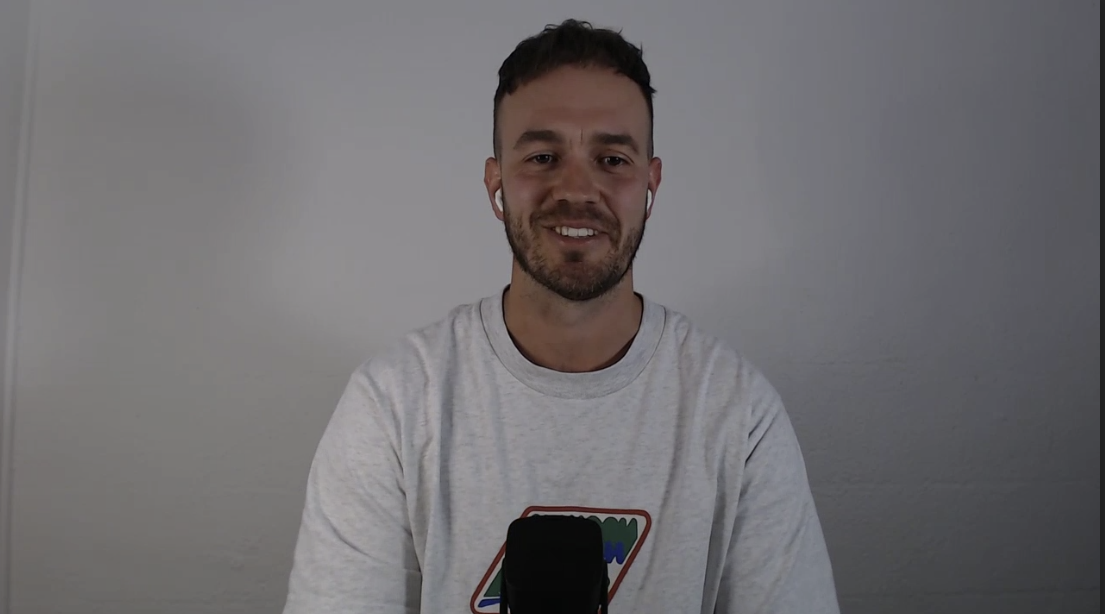
Clinical Co-founder of Pain Coach
Lachlan is a physiotherapist and clinical co-founder of Pain Coach. During his postgraduate pain science studies, he realised, “Pain is complex, but people need simple, actionable advice.” That insight sparked Pain Coach - a clear, practical solution to a challenging problem.
Pain Coach is a clinical tool that tracks key lifestyle factors - sleep, exercise, social connection, psychological distress, and nutrition - alongside pain. Pain Coach analyses patient data and provides insights including correlations, trends, and lifestyle scores.
Pain Coach is growing and onboarding clinics across Australia and beyond.